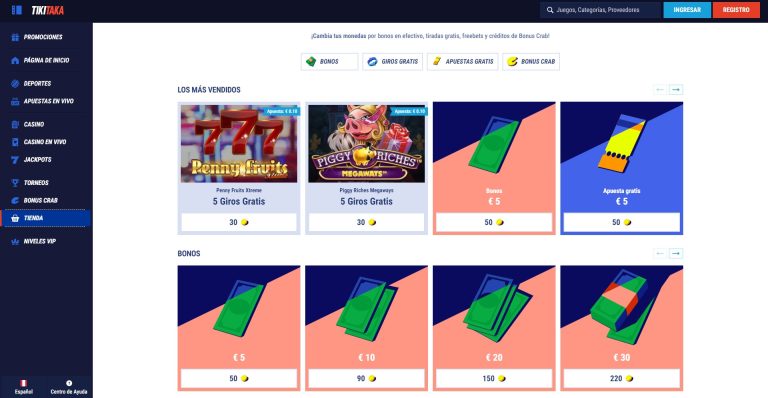
This article borrows the Tiki Taka idea — short, controlled touches and constant rotation — and turns it into a concrete, repeatable session plan for slot or rapid-play table sessions. Instead of vague advice about “bankroll management,” you’ll get a three-part routine that keeps risk in check and lets you test strategies without bleeding chips.
1) Set a possession budget (30% rule)
Decide on a session pot that’s a fixed percentage of your bankroll — I recommend 20–30% for a single evening. Use smaller bet sizes so you can take more spins and observe variance. Example: with £200 total bankroll, set a session pot of £50 and bet sizes of £0.50–£1.00. The goal is to keep play long enough to judge a machine or pattern without exposing too much capital.
2) Tempo: short bursts, frequent rotation
- Play a machine for 15–25 minutes or 50–100 spins, whichever comes first.
- If no meaningful return appears (defined as at least covering 25% of your session pot), rotate to another game.
- Keep bet size steady; only increase after a clear positive trend or a win that brings you above break-even.
This mimics Tiki Taka’s quick passes: you avoid getting stuck in a single low-return situation and you gather information across several games.
3) Clear stop rules and extraction points
You need two exit triggers: a loss stop (e.g., 50% of session pot) and a cash-out goal (e.g., +30% of session pot). When you hit either, walk away for a planned cooldown (30–90 minutes). This removes emotional chasing and preserves long-term edge.
Two quick notes on application: adjust percentages to your risk tolerance and increasing bet sizes only from wins keeps you from tilting. Track sessions in a simple notebook: start pot, bet size, rotation count, outcome. Data will show whether your rotation timing or bet sizing needs change.
If you want to try a platform that emphasizes quick sessions and variety, consider Tiki Taka Casino as a place to practice this routine.
Takeaway: treat every session like a midfield possession drill — plan the pot, play short and inspect frequently, and use strict stop/exit rules. The result is longer, less volatile learning and a clearer sense of what actually works for your style.